CRM in Agribusiness: The Secret to Improving Farmer and Dealer Retention
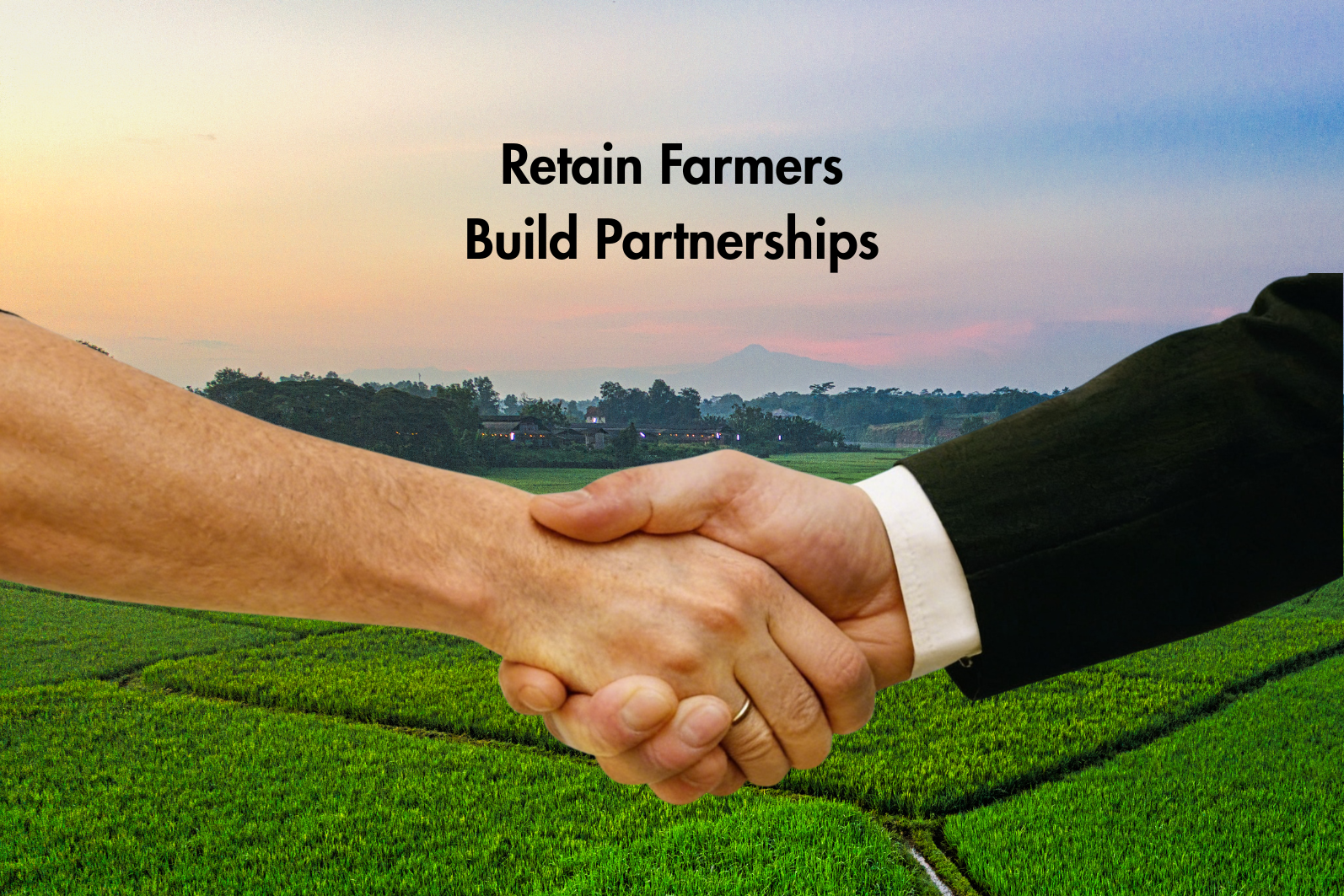
CRM in Agribusiness: The Secret to Improving Farmer and Dealer Retention
The agribusiness landscape is changing rapidly. Rising competition, evolving farmer expectations, and expanding dealer networks are forcing agricultural companies to rethink how they build and maintain relationships. While attracting new farmers and onboarding new dealers remain important, retaining existing stakeholders has become the real differentiator for long-term growth.
For seed companies, fertilizer manufacturers, agrochemical businesses, farm equipment providers, and agricultural distributors, strong relationships with farmers and dealers are the foundation of success. However, relying on spreadsheets, manual follow-ups, and disconnected communication channels often leads to missed opportunities and declining engagement.
This is where CRM in agribusiness emerges as a strategic advantage. By centralizing data, automating interactions, and enabling proactive engagement, CRM helps businesses improve farmer retention, strengthen dealer loyalty, and create sustainable growth.
Why Farmer and Dealer Retention Matters in Agribusiness
Many agribusinesses focus heavily on acquiring new customers and expanding dealer networks. While growth initiatives are essential, retaining existing relationships is often more profitable.
Farmers who trust a brand are more likely to:
- Continue purchasing products season after season
- Seek recommendations from the same company
- Participate in loyalty initiatives
- Recommend products to other farmers
Similarly, loyal dealers contribute by:
- Prioritizing your products
- Driving consistent sales
- Expanding market reach
- Strengthening local brand presence
Retention reduces acquisition costs while increasing lifetime value across the agricultural ecosystem.
The Challenges of Retaining Farmers and Dealers
Agribusinesses face unique challenges when managing relationships across geographically dispersed markets.
Common issues include:
- Inconsistent communication with farmers
- Delayed dealer follow-ups
- Limited visibility into customer interactions
- Scattered data across multiple systems
- Difficulty tracking dealer performance
- Lack of personalized engagement
- Missed opportunities during seasonal cycles
These challenges often result in lower loyalty, reduced engagement, and declining repeat business.
What Is CRM in Agribusiness?
A Customer Relationship Management (CRM) system for agribusiness is designed to help agricultural companies manage relationships with farmers, dealers, distributors, and field teams through one centralized platform.
Instead of relying on fragmented tools, businesses can use CRM to:
- Track interactions
- Manage dealer networks
- Automate communication
- Monitor field activities
- Analyze customer behavior
- Improve retention strategies
CRM enables businesses to shift from reactive communication to proactive relationship management.
Building Stronger Farmer Relationships
Farmers expect more than products. They seek guidance, support, and timely communication from the brands they trust.
A CRM system allows agribusinesses to maintain detailed farmer profiles that include:
- Crop preferences
- Purchase history
- Geographic location
- Seasonal buying patterns
- Previous interactions
- Support requests
With this information, businesses can provide personalized engagement that addresses specific farmer needs.
Stronger relationships lead to higher satisfaction and improved loyalty.
Enhancing Dealer Retention Through Better Engagement
Dealers play a vital role in connecting agribusinesses with farming communities.
However, maintaining dealer engagement becomes increasingly difficult as networks expand.
CRM helps businesses improve dealer relationships by enabling:
Centralized Dealer Information
Businesses can access dealer profiles, communication history, and performance records from a single platform.
Automated Follow-Ups
Dealers receive timely updates related to targets, promotions, product launches, and operational activities.
Performance Tracking
Managers can monitor dealer productivity, identify support requirements, and recognize top performers.
These capabilities strengthen dealer confidence and improve long-term partnerships.
Personalized Communication Drives Loyalty
Generic communication often fails to create meaningful relationships.
CRM enables personalized interactions by using historical data and behavioral insights.
Agribusinesses can send:
- Seasonal product recommendations
- Crop-specific guidance
- Purchase reminders
- Event invitations
- Promotional offers
- Service notifications
When farmers and dealers feel understood and valued, loyalty naturally improves.
Automating Routine Engagement Activities
Manual communication is difficult to sustain across large agricultural networks.
CRM automation simplifies repetitive tasks such as:
- Follow-up reminders
- Dealer notifications
- Farmer outreach campaigns
- Feedback collection
- Activity scheduling
- Service communications
Automation ensures consistency while reducing administrative workload.
Field teams can spend more time building relationships instead of managing spreadsheets.
Improving Field Team Productivity
Field representatives are often the face of agribusiness brands.
However, without proper systems, managing field activities can become inefficient.
CRM helps field teams by enabling them to:
- Access farmer records instantly
- Update meeting outcomes
- Track follow-up activities
- Monitor assigned territories
- Record customer feedback
Improved productivity translates into better customer experiences and stronger retention.
Data-Driven Retention Strategies
Retention efforts become more effective when supported by accurate data.
CRM systems provide insights into:
- Farmer engagement trends
- Dealer sales performance
- Seasonal purchasing behavior
- Customer activity levels
- Product adoption patterns
- Regional growth opportunities
These insights help businesses identify at-risk relationships and take proactive action before customers disengage.
Supporting Seasonal Agricultural Cycles
Agriculture is heavily influenced by seasonal demand.
Missing critical engagement opportunities during planting or harvesting periods can negatively impact retention.
CRM helps businesses align communication with agricultural cycles by scheduling:
- Seasonal campaigns
- Product recommendations
- Timely reminders
- Dealer support initiatives
This proactive approach ensures businesses remain relevant throughout the farming calendar.
Strengthening Customer Experience in Agribusiness
Customer experience is becoming a major differentiator in agriculture.
Farmers and dealers increasingly expect:
- Faster responses
- Personalized interactions
- Reliable support
- Consistent communication
CRM helps agribusinesses deliver these experiences at scale.
Positive experiences encourage repeat business and improve brand advocacy.
Scaling Retention Efforts as Businesses Grow
As agribusinesses expand into new territories, managing relationships manually becomes increasingly difficult.
CRM systems provide the scalability needed to support:
- Larger dealer networks
- Growing farmer databases
- Expanded field teams
- Increased communication volumes
Businesses can continue delivering high-quality engagement without sacrificing operational efficiency.
The Competitive Advantage of CRM in Agribusiness
Companies that invest in farmer and dealer retention gain a significant advantage over competitors.
Benefits include:
- Increased repeat purchases
- Stronger dealer loyalty
- Higher customer lifetime value
- Improved market penetration
- Reduced acquisition costs
- Enhanced brand reputation
Retention-focused strategies create a stable foundation for sustainable growth.
Conclusion
Growth in agribusiness is not just about acquiring new farmers and expanding dealer networks. Long-term success depends on nurturing existing relationships and creating meaningful experiences for the people who drive the agricultural ecosystem.
A CRM in agribusiness empowers businesses to improve farmer retention and dealer retention through personalized communication, automated engagement, and data-driven decision-making.


Comments
Post a Comment